


Hey there! I'm a biogas supplier, and I often get asked if biogas can be used in cold climates. It's a great question, and I'm here to share my insights on this topic.
First off, let's understand what biogas is. Biogas is a renewable energy source produced by the anaerobic digestion of organic materials like agricultural waste, food scraps, and manure. It mainly consists of methane and carbon dioxide and can be used for various purposes, such as heating, cooking, and generating electricity.
Now, the big question: Can biogas be used in cold climates? The short answer is yes, but it comes with some challenges.
The Challenges of Using Biogas in Cold Climates
One of the main issues is the temperature sensitivity of the anaerobic digestion process. Microorganisms responsible for breaking down organic matter to produce biogas work best in a specific temperature range. Generally, mesophilic bacteria thrive at temperatures between 25°C - 40°C (77°F - 104°F), while thermophilic bacteria prefer temperatures between 50°C - 60°C (122°F - 140°F).
In cold climates, the ambient temperature can drop well below these ranges, which slows down the digestion process. When the temperature drops, the metabolic activity of the microorganisms decreases, leading to a reduced biogas production rate. In extreme cases, the process can even come to a halt if the temperature gets too low.
Another challenge is the potential for freezing. If the biogas system isn't properly insulated, the pipes carrying the biogas or the digester itself can freeze. This can damage the equipment and disrupt the flow of biogas.
Overcoming the Challenges
Despite these challenges, there are several ways to make biogas systems work effectively in cold climates.
Insulation
Proper insulation is crucial. Insulating the digester and the pipes can help maintain a stable temperature inside the system. There are various insulation materials available, such as foam insulation, straw bales, or even earth berms. These materials can reduce heat loss and keep the temperature within the optimal range for the microorganisms.
Heating Systems
Installing a heating system can also help. There are different types of heating systems that can be used, such as electric heaters, heat exchangers, or even using a small amount of the produced biogas to heat the digester. For example, a heat exchanger can transfer heat from the hot water produced by the biogas generator to the digester, keeping it warm.
Selecting the Right Bacteria
Some bacteria strains are more cold - tolerant than others. By selecting these cold - tolerant strains, the biogas production can be maintained even at lower temperatures. These bacteria can continue to break down the organic matter and produce biogas, although at a slower rate compared to optimal conditions.
Biogas Generators for Cold Climates
As a biogas supplier, I offer a range of biogas generators that can be used in cold climates. For example, our 138KVA Biogas Generator is designed to work efficiently even in low - temperature environments. It has a robust design and advanced insulation to ensure that it can operate smoothly.
Our 34KVA Biogas Generator is also a great option for smaller applications in cold climates. It's compact and easy to install, and it can still produce a decent amount of electricity even when the temperature drops.
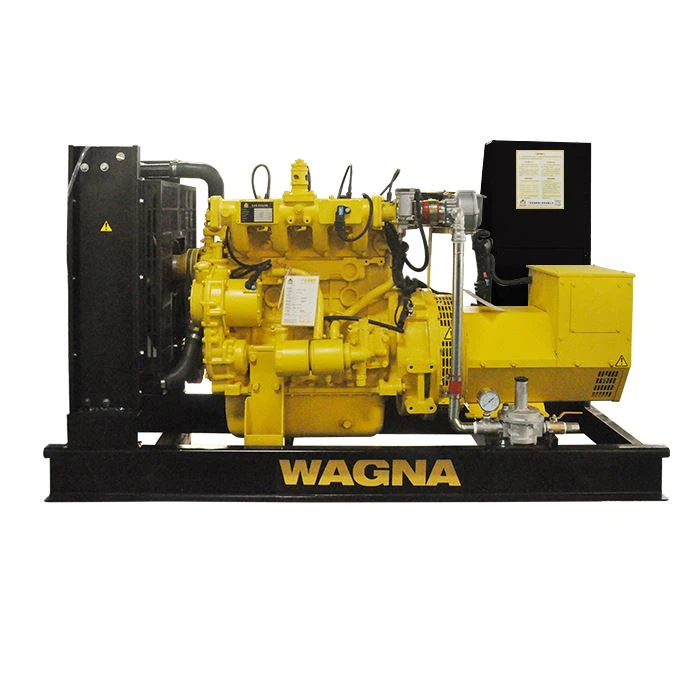

And for those who need a bit more power, our 71KVA Biogas Generator is a reliable choice. It's built to handle the challenges of cold climates and can provide a stable power supply.
Real - World Examples
There are many successful biogas projects in cold climates around the world. In Sweden, for instance, there are numerous biogas plants that operate year - round, even in the cold winter months. These plants use a combination of insulation, heating systems, and cold - tolerant bacteria to ensure continuous biogas production.
In Canada, some farms have installed biogas systems to generate their own electricity and heat. They have found that with proper planning and management, biogas can be a viable energy source even in cold regions.
Conclusion
So, to answer the question, yes, biogas can be used in cold climates. While there are challenges, with the right strategies and equipment, it's possible to overcome them and make biogas a reliable energy source.
If you're interested in using biogas in your cold - climate location, I'd love to have a chat with you. We can discuss your specific needs and come up with a customized solution for your biogas system. Whether you're a farmer looking to use agricultural waste, a business owner wanting to reduce your energy costs, or just someone interested in renewable energy, we can help.
References
- "Biogas Production in Cold Climates: Challenges and Solutions" - Journal of Renewable Energy Research
- "Anaerobic Digestion in Low - Temperature Environments" - International Journal of Sustainable Energy


