


Hey everyone! I'm a supplier in the biogas business. I've been knee - deep in the biogas industry for a while now, and one question keeps coming up: "How does the cost - effectiveness of buying biogas compare to other options?" In this blog, I'll break it down for you, sharing my insights and experiences.
What is Biogas and How Does it Work?
First things first, let's talk about what biogas is. Biogas is a renewable energy source produced by the breakdown of organic matter, like animal manure, food waste, or agricultural residues, in an oxygen - free environment through a process called anaerobic digestion. This process produces a mixture of gases, mainly methane and carbon dioxide.
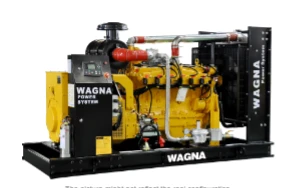
The beauty of biogas is its versatility. You can use it for heating, cooking, and generating electricity. For example, our company offers different biogas generators, such as the 56KVA Biogas Generator, 338KVA Biogas Generator, 138KVA Biogas Generator, 135KVA Biogas Generator, and 71KVA Biogas Generator. These generators can convert biogas into electrical energy, providing power for homes, farms, or small businesses.
Cost - Effectiveness of Biogas
Now, let's get to the heart of the matter: cost - effectiveness. When you're looking at energy sources, you've got to consider both the upfront costs and the long - term expenses.
Upfront Costs
The initial investment in a biogas system can seem a bit steep. You need to set up an anaerobic digester, which can vary in cost depending on its size and the technology used. You also have to factor in the cost of installing the necessary pipes, storage tanks, and generators.
However, compared to some other energy sources, the long - term savings can make it worth it. For instance, if you're using biogas for electricity generation, you're reducing your reliance on the grid. Over time, this can lead to significant savings on your electricity bills.
Long - Term Expenses
One of the biggest advantages of biogas is its low - cost fuel source. Organic waste is often readily available, and in many cases, you can get it for free or at a very low cost. For farmers, animal manure is a natural by - product that can be used to produce biogas. This means that once the initial system is set up, the ongoing fuel costs are minimal.
In addition, biogas is a renewable energy source. As the world moves towards a more sustainable future, there are often incentives and subsidies available for using renewable energy. These can help offset the initial investment and make biogas an even more cost - effective option.
Comparing Biogas with Other Energy Options
Natural Gas
Natural gas is a popular energy source for heating and cooking. It's relatively cheap and widely available. However, it's a fossil fuel, which means it's non - renewable. As the demand for natural gas increases and reserves start to deplete, the cost is likely to rise.
Biogas, on the other hand, is renewable. While the upfront cost of a biogas system may be higher than simply hooking up to the natural gas grid, the long - term cost of fuel is much lower. Plus, using biogas helps reduce your carbon footprint, which is a huge bonus in today's environmentally conscious world.
Solar Power
Solar power is another renewable energy source that has gained a lot of popularity in recent years. The upfront cost of installing solar panels can be high, but the cost has been coming down steadily.
The main difference between biogas and solar power is the reliability. Solar power depends on sunlight, so it's not available at night or on cloudy days. Biogas, however, can be produced continuously as long as there's a supply of organic waste. This makes biogas a more consistent energy source, especially for applications that require a constant power supply.

Diesel Generators
Diesel generators are commonly used for backup power or in areas where there's no access to the grid. The upfront cost of a diesel generator is relatively low, but the cost of diesel fuel is high and can be volatile.
In contrast, the fuel for biogas generators is much cheaper and more stable in price. Also, diesel generators produce a lot of emissions, while biogas generators are much cleaner and more environmentally friendly.
Real - World Examples
I've seen firsthand how biogas can be a cost - effective solution. I worked with a small farm that was spending a fortune on electricity for its irrigation system. We installed a biogas system using the manure from their cows. After the initial investment, the farm was able to generate its own electricity at a fraction of the cost. They were also able to sell the excess electricity back to the grid, creating an additional source of income.
Another client was a restaurant that was struggling with high energy costs for cooking and heating. We set up a biogas system that used their food waste. Not only did it reduce their energy bills, but it also solved their waste management problem.
Conclusion
In conclusion, the cost - effectiveness of buying biogas is quite impressive when compared to other energy options. While the upfront costs may be higher, the long - term savings on fuel, combined with potential incentives and environmental benefits, make it a smart choice.
If you're interested in learning more about how biogas can work for you, or if you're thinking about purchasing a biogas system, I'd love to have a chat. We can discuss your specific needs and see if biogas is the right fit for your situation. Don't hesitate to reach out and start the conversation about making a cost - effective and sustainable energy choice.
References
- Smith, J. (2020). Renewable Energy: A Comprehensive Guide. Green Press.
- Brown, A. (2019). The Economics of Biogas Production. Energy Journal.


