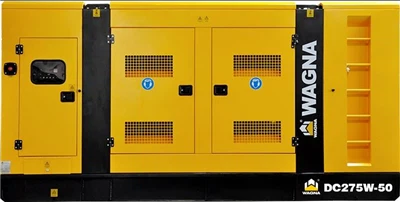
The power output of electrical devices is a critical factor in various applications, especially for devices in the 90 - 400KW range. As a supplier of 90 - 400KW power devices, I've witnessed firsthand the impact of altitude on power output. In this blog, I'll delve into how the power output of a 90 - 400KW device changes with altitude and what it means for users and our business.
Understanding the Basics of Power Output and Altitude
Before we explore the relationship between power output and altitude, let's first understand the basic principles of power generation. Power output is the amount of electrical energy a device can produce over a given period. For 90 - 400KW devices, this could range from diesel generators to large - scale electrical motors.
Altitude plays a significant role in power generation because it affects the density of the air. As altitude increases, the air density decreases. Air density is crucial for the combustion process in engines and the cooling of electrical components. In internal combustion engines, such as those in diesel generators, the engine needs oxygen from the air to burn fuel efficiently. A decrease in air density means less oxygen is available for combustion, which can lead to a reduction in power output.


The Scientific Explanation
The power output of a device is closely related to the amount of air intake. In a diesel generator, for example, the combustion of diesel fuel requires a specific ratio of fuel to air. At sea - level, the air is denser, and there is more oxygen available. The engine can take in a sufficient amount of air to burn the fuel completely, resulting in optimal power output.
When the altitude increases, the air becomes thinner. For every 1000 meters increase in altitude, the air density decreases by approximately 10 - 12%. This means that the engine has to work harder to draw in the same amount of oxygen. As a result, the combustion process is less efficient, and the power output decreases.
Mathematically, the power reduction due to altitude can be estimated using the following general rule: for every 300 meters (or about 1000 feet) increase in altitude above sea - level, the power output of a diesel engine can decrease by about 3 - 5%. This reduction is not linear and can vary depending on the specific design of the device and the operating conditions.
Impact on Different Devices
Diesel Generators
We offer a wide range of diesel generators, such as the 90KVA Diesel Silent Genset. These generators are designed to provide reliable power in various environments. However, at high altitudes, their power output is affected.
The engine in a diesel generator needs to maintain a proper air - fuel ratio for efficient combustion. At high altitudes, the reduced air density means that the engine may not be able to burn the fuel as effectively. This can lead to a decrease in power output, as well as an increase in fuel consumption. For example, a 90KVA diesel generator that operates at full capacity at sea - level may only be able to produce around 80 - 85KVA at an altitude of 2000 meters.
Electric Motors
Electric motors also experience changes in performance at high altitudes. The cooling of electric motors is dependent on air circulation. As the air density decreases with altitude, the cooling efficiency of the motor is reduced. This can cause the motor to overheat, which in turn can lead to a decrease in power output and potentially damage the motor.
Real - World Examples
Let's consider a scenario where a customer in a mountainous region needs a power generator. They initially choose a 100KVA Diesel Generator based on their power requirements at sea - level. However, when the generator is installed at an altitude of 3000 meters, they notice a significant drop in power output.
Using the general rule of a 3 - 5% power reduction per 300 meters of altitude increase, at 3000 meters, the power output of the 100KVA generator could be reduced by approximately 30 - 50KVA. This means that the generator may not be able to meet the customer's power needs, and they may need to upgrade to a larger - capacity generator.
Mitigating the Effects of Altitude
As a supplier, we understand the challenges that altitude poses to our customers. To mitigate the effects of altitude on power output, we offer several solutions.
One approach is to derate the device. Derating involves reducing the rated power of the device to account for the expected power reduction at high altitudes. For example, if a generator is rated at 200KW at sea - level, it may be derated to 180KW for use at an altitude of 1500 meters.
Another solution is to use turbocharging or supercharging technology. Turbochargers and superchargers increase the amount of air forced into the engine, compensating for the reduced air density at high altitudes. This allows the engine to maintain a more consistent power output.
Importance for Our Business
As a 90 - 400KW power device supplier, understanding the relationship between altitude and power output is crucial for our business. It helps us provide accurate information to our customers and offer appropriate solutions.
When customers are inquiring about our products, we can educate them about the potential power reduction at high altitudes. This allows them to make informed decisions about which device is best suited for their needs. For example, if a customer is in a high - altitude area, we can recommend a larger - capacity generator to ensure that they have enough power.
We also offer 94KVA Diesel Generator models that are specifically designed for high - altitude use. These generators are equipped with features such as turbochargers and advanced cooling systems to minimize the impact of altitude on power output.
Contact Us for More Information
If you are in need of a 90 - 400KW power device, whether it's for a high - altitude location or a sea - level application, we are here to help. Our team of experts can provide you with detailed information about how altitude may affect the power output of our devices and recommend the best solution for your specific needs. Contact us to start a discussion about your power requirements and explore the options available to you.
References
- Heywood, J. B. (1988). Internal Combustion Engine Fundamentals. McGraw - Hill.
- Chapman, S. J. (2012). Electric Machinery Fundamentals. McGraw - Hill.