As a supplier in the China Biogas industry, I've witnessed firsthand the dynamic evolution of business models within this sector. Biogas, a renewable energy source produced through the anaerobic digestion of organic materials, offers a sustainable solution to energy needs while addressing environmental concerns. In this blog, I'll explore the various business models for China Biogas projects, shedding light on their potential and challenges.
1. Self - Sufficient Farm - Based Model
Many small - scale biogas projects in China are based on farms. Farmers collect animal manure, crop residues, and other organic waste from their own fields and livestock operations. These materials are fed into a biogas digester, which produces biogas for on - farm use. The biogas can be used for cooking, heating, and even powering small electrical appliances.
The advantage of this model is its simplicity and self - sufficiency. Farmers can reduce their reliance on traditional energy sources, such as coal and electricity, and at the same time, manage their waste more effectively. The by - product of the anaerobic digestion process, digestate, can be used as a high - quality organic fertilizer, improving soil fertility and crop yields.


However, the scale of these projects is often limited. The amount of biogas produced is usually only sufficient for the farm's own needs. Also, the initial investment in building a biogas digester can be a barrier for some farmers, although the Chinese government has provided subsidies and support to encourage the adoption of this technology.
2. Community - Based Biogas Projects
Community - based biogas projects involve multiple households or small businesses in a community. These projects pool organic waste from different sources, such as domestic waste, food waste from local restaurants, and agricultural residues from nearby farms. The biogas produced is then distributed to the community members for various uses.
This model has several benefits. It allows for a larger - scale production of biogas, which can meet the energy needs of more people. It also promotes community cooperation and environmental awareness. For example, in some rural communities, the community - based biogas project has not only provided clean energy but also created a sense of community pride and shared responsibility for the environment.
But community - based projects also face challenges. Coordinating the collection and management of waste from different sources can be complex. There may also be issues related to the distribution of biogas and the maintenance of the biogas facilities.
3. Commercial Biogas Power Generation
Commercial biogas power generation projects are large - scale operations that produce electricity from biogas. These projects collect large amounts of organic waste from various sources, such as large - scale livestock farms, food processing plants, and landfill sites. The biogas is then used to power generators to produce electricity, which is sold to the grid.
One of the key advantages of this model is its potential for large - scale energy production. By connecting to the grid, these projects can contribute to the overall energy supply of the region. Moreover, they can generate revenue through the sale of electricity. For instance, some commercial biogas power plants in China have been able to achieve significant economic returns.
However, commercial biogas power generation projects require substantial investment in infrastructure, including biogas digesters, generators, and grid connection facilities. They also need a stable supply of organic waste, which may be affected by factors such as seasonality and waste management policies.
4. Biogas Upgrading and Compressed Biogas (CBG) Model
In recent years, there has been an increasing interest in biogas upgrading and the production of Compressed Biogas (CBG). Biogas upgrading involves removing impurities from biogas to increase its methane content, making it similar to natural gas. The upgraded biogas, or CBG, can be used as a vehicle fuel or for other industrial applications.
This model has great potential in the transportation and industrial sectors. As the demand for clean and sustainable fuels increases, CBG can be a viable alternative to traditional fossil fuels. For example, some public transportation fleets in China have started to use CBG as a fuel, reducing their carbon emissions.
However, biogas upgrading requires advanced technology and equipment, which can be expensive. There is also a need for a well - developed distribution network for CBG, similar to the existing natural gas distribution system.
Our Product Offerings
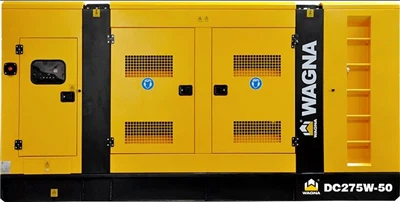
As a China Biogas supplier, we offer a range of products to support different biogas business models. Our biogas generators are designed to efficiently convert biogas into electricity. We have different models available, including the 56KVA Biogas Generator, the 113KVA Biogas Generator, and the 135KVA Biogas Generator. These generators are suitable for various scales of biogas projects, from small - scale farm - based systems to large - scale commercial power plants.
Conclusion
The business models for China Biogas projects are diverse, each with its own advantages and challenges. Whether it's the self - sufficient farm - based model, community - based projects, commercial power generation, or biogas upgrading, there are opportunities for different stakeholders to participate in the biogas industry.
If you are interested in starting a biogas project or looking for high - quality biogas products, we are here to help. Our team of experts can provide you with professional advice and support to ensure the success of your project. Contact us to discuss your specific needs and explore the possibilities of biogas in your business.
References
- Zhang, L., & Wang, H. (2018). Development and prospects of biogas industry in China. Renewable Energy, 120, 321 - 328.
- Li, X., & Chen, Y. (2019). Community - based biogas projects in rural China: A case study. Energy for Sustainable Development, 49, 103 - 110.
- Wang, S., & Liu, Z. (2020). Commercial biogas power generation in China: Challenges and opportunities. Journal of Cleaner Production, 255, 120321.