


When it comes to buying biogas, many customers are initially attracted by its eco - friendliness and potential cost - savings. As a biogas supplier, I've had numerous conversations with clients who are eager to make the switch to this renewable energy source. However, it's essential to be aware that there are hidden costs associated with purchasing biogas. In this blog, I'll explore these potential expenses to help you make an informed decision.
1. Equipment Costs
One of the most significant hidden costs lies in the equipment required for using biogas. Biogas generators are the heart of any biogas - powered system, and the prices can vary widely depending on their capacity. For example, a 90KVA Biogas Generator is a popular choice for medium - scale operations. This generator offers reliable performance and is suitable for sewage treatment applications, but it comes with a substantial upfront cost.
Similarly, a 135KVA Biogas Generator is designed for larger - scale energy needs. It provides more power but also has a higher price tag. The initial investment in these generators can be a significant barrier for some buyers. Additionally, the cost of installation should not be overlooked. Professional installation is often required to ensure the safe and efficient operation of the generator, which adds to the overall expense.
Another piece of equipment that may incur costs is the biogas storage system. Biogas needs to be stored properly to ensure a continuous supply of energy. Depending on the size of your operation, you may need to invest in large - scale storage tanks. These tanks need to be built to high - quality standards to prevent leaks and ensure safety, which again adds to the cost.
2. Maintenance and Repair
Biogas generators and related equipment require regular maintenance to function optimally. This includes tasks such as cleaning, lubrication, and inspection of components. Over time, parts may wear out and need to be replaced. For instance, the spark plugs in a biogas generator need to be changed periodically to maintain efficient combustion. The cost of replacement parts can add up, especially for high - end generators.
Moreover, in case of a breakdown, repair costs can be substantial. Biogas generators are complex machines, and specialized technicians are often required to diagnose and fix problems. These technicians may charge high hourly rates, and the cost of replacement parts can also be significant. Regular maintenance contracts can be a good option to manage these costs, but they also represent an additional expense.
3. Feedstock Costs
Biogas is produced through the anaerobic digestion of organic materials, such as manure, food waste, or crop residues. While these feedstocks are often available at a low cost or even for free in some cases, there are still associated costs. For example, transporting the feedstock to the biogas plant can be expensive, especially if the source is located far away.
In addition, the quality of the feedstock can affect the biogas production process. Low - quality feedstock may require pre - treatment, such as grinding or mixing, to improve its suitability for digestion. This pre - treatment process adds to the overall cost of biogas production.
4. Regulatory and Permitting Costs
Before starting a biogas project, you need to obtain various permits and comply with local regulations. These regulations are in place to ensure the safety and environmental compliance of biogas operations. The process of obtaining permits can be time - consuming and costly. You may need to hire consultants or lawyers to help you navigate the regulatory requirements, which adds to the expenses.
Some regions may also impose fees for environmental monitoring and reporting. Biogas plants need to be monitored to ensure that they are not causing any negative environmental impacts, such as air pollution or water contamination. These monitoring costs can be a hidden expense that many buyers do not initially consider.
5. Training Costs
Operating a biogas system requires specialized knowledge and skills. Employees need to be trained on how to operate the biogas generator, manage the feedstock, and maintain the equipment. Training programs can be expensive, especially if they are provided by professional trainers or institutions.
In addition, ongoing training may be required to keep up with the latest technologies and best practices in biogas production. This continuous learning process is essential for the efficient and safe operation of the biogas system but adds to the overall cost.

6. Energy Conversion Efficiency
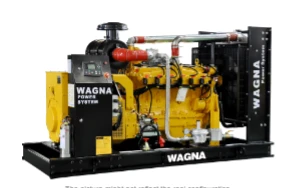
The efficiency of biogas conversion into electricity or heat can also have an impact on the overall cost. Not all biogas generators are equally efficient. A less efficient generator may require more biogas to produce the same amount of energy, which means higher feedstock consumption and ultimately higher costs.
When choosing a biogas generator, it's important to consider its energy conversion efficiency. For example, a 71KVA Biogas Generator is known for its high - efficiency performance. However, more efficient generators often come with a higher price tag, so there is a trade - off between the initial cost and long - term savings.
Conclusion
While biogas offers many benefits, such as being a renewable and clean energy source, it's important to be aware of the hidden costs associated with buying and using it. From equipment and maintenance to feedstock and regulatory expenses, these costs can significantly impact the overall economics of a biogas project.
As a biogas supplier, I'm committed to helping my customers understand these costs and make the best decisions for their energy needs. If you're considering purchasing biogas or biogas - related equipment, I encourage you to contact me for a detailed discussion. We can work together to assess your requirements, calculate the potential costs, and find the most cost - effective solutions for your project.
References
- Smith, J. (2020). Biogas Technology and Applications. Green Energy Press.
- Johnson, A. (2019). The Economics of Biogas Production. Renewable Energy Journal.
- Brown, C. (2021). Regulatory Challenges in the Biogas Industry. Environmental Law Review.


