


In today's energy - conscious and reliability - driven world, having a reliable backup power solution is crucial for facilities with a power demand ranging from 90 to 400KW. As a supplier specializing in power solutions within this range, I understand the diverse needs and challenges that facility managers face when it comes to ensuring uninterrupted power supply. In this blog, I will explore various backup power options available for 90 - 400KW facilities.
Diesel Generators
Diesel generators are one of the most popular backup power options for medium - to large - scale facilities. They offer high power output, reliability, and relatively long run - times.
High - Capacity Output
For facilities with a power demand in the 90 - 400KW range, diesel generators can be sized appropriately to meet the load requirements. For example, a 375KVA Diesel Generator can provide sufficient power for a medium - sized industrial facility or a large commercial building. These generators are designed to handle heavy loads and can start up quickly in the event of a power outage.

Fuel Availability and Storage
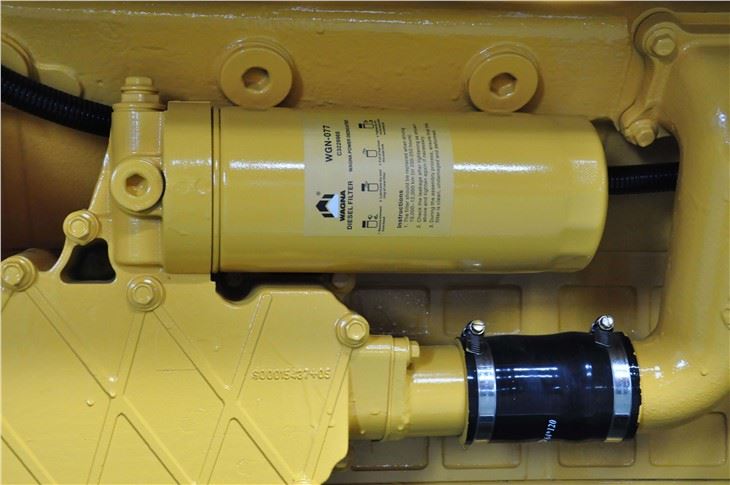
Diesel fuel is widely available, which makes it convenient for facilities to store an adequate supply for extended backup power needs. With proper fuel storage and management, a diesel generator can run for hours or even days, depending on the fuel capacity and the load it is powering. However, it's important to note that diesel generators require regular maintenance to ensure optimal performance. This includes oil changes, filter replacements, and periodic testing.
Environmental Considerations
One of the drawbacks of diesel generators is their environmental impact. Diesel engines produce emissions such as nitrogen oxides (NOx), particulate matter (PM), and carbon monoxide (CO). However, modern diesel generators are designed to meet strict emission standards, and some models are equipped with advanced emission control technologies to reduce their environmental footprint.
Natural Gas Generators
Natural gas generators are another viable backup power option for 90 - 400KW facilities. They offer several advantages over diesel generators, especially in terms of environmental impact and fuel cost.
Cleaner Burning
Natural gas is a cleaner - burning fuel compared to diesel. It produces lower levels of emissions, including fewer greenhouse gases and particulate matter. This makes natural gas generators a more environmentally friendly option, especially for facilities located in areas with strict environmental regulations.
Cost - Effective
In many regions, natural gas is more cost - effective than diesel fuel. The cost of natural gas is generally more stable, which can result in lower operating costs over the long term. Additionally, natural gas generators often require less maintenance compared to diesel generators, further reducing the overall cost of ownership.
Fuel Supply
Natural gas is typically supplied through a pipeline, which means that facilities do not need to store large amounts of fuel on - site. This eliminates the need for fuel storage tanks and reduces the risk of fuel spills and fires. However, in the event of a pipeline disruption, the availability of natural gas may be affected.
Uninterruptible Power Supplies (UPS)
Uninterruptible Power Supplies (UPS) are essential for providing short - term backup power to critical equipment. They are commonly used in data centers, hospitals, and other facilities where even a brief power outage can cause significant damage or disruption.
Instant Power
UPS systems provide instant power when the main power supply fails. They use batteries to store energy and can provide power for a few minutes to several hours, depending on the capacity of the UPS and the load it is powering. This allows critical equipment to continue operating long enough for a backup generator to start up or for a controlled shutdown to be performed.
Power Conditioning
In addition to providing backup power, UPS systems also offer power conditioning capabilities. They can protect sensitive equipment from power surges, voltage fluctuations, and other electrical disturbances. This helps to ensure the reliability and longevity of the equipment.
Limitations
However, UPS systems have limitations in terms of power capacity and runtime. They are typically designed to provide backup power for a short period, and their power output is limited. For facilities with a high power demand, multiple UPS units may be required, which can increase the cost and complexity of the system.
Battery Energy Storage Systems (BESS)
Battery Energy Storage Systems (BESS) are becoming increasingly popular as a backup power option for 90 - 400KW facilities. They offer several advantages, including high efficiency, fast response times, and the ability to integrate with renewable energy sources.
High Efficiency
BESS systems can store energy from the grid or renewable energy sources and release it when needed. They have high charge - discharge efficiency, which means that less energy is wasted during the storage and retrieval process. This makes them a cost - effective and environmentally friendly option for backup power.
Fast Response Times
BESS systems can respond to power outages within milliseconds, providing instant power to critical loads. This is especially important for facilities that require a seamless transition to backup power, such as data centers and manufacturing plants.
Integration with Renewable Energy
BESS systems can be integrated with renewable energy sources such as solar panels and wind turbines. This allows facilities to store excess energy generated by renewable sources and use it during periods of low production or power outages. By combining renewable energy with energy storage, facilities can reduce their reliance on the grid and lower their carbon footprint.
Hybrid Power Systems
Hybrid power systems combine two or more backup power options to provide a more reliable and cost - effective solution. For example, a hybrid system could consist of a diesel generator and a battery energy storage system.
Complementary Operation
The diesel generator can provide high - power output for extended periods, while the battery energy storage system can provide instant power and help to smooth out power fluctuations. This combination allows the system to meet the varying power demands of the facility more efficiently.
Increased Reliability
Hybrid power systems offer increased reliability compared to single - source backup power solutions. In the event of a failure in one component, the other component can still provide power, ensuring that the facility remains operational.
Conclusion
When it comes to choosing a backup power option for a 90 - 400KW facility, there are several factors to consider, including power requirements, cost, environmental impact, and reliability. Diesel generators, natural gas generators, UPS systems, battery energy storage systems, and hybrid power systems all offer unique advantages and disadvantages. As a supplier, I can help you evaluate your specific needs and recommend the most suitable backup power solution for your facility.
If you are interested in learning more about our backup power solutions or would like to discuss your specific requirements, I encourage you to reach out for a procurement discussion. We have a range of products like the 375KVA Diesel Generator, Security Generator, and Non - polluting Ultra - quiet Quick Operation 176KW 220KVA Diesel Generator that can meet your power needs. Let's work together to ensure your facility has a reliable backup power supply.
References
- "Power Generation Handbook", John Wiley & Sons
- "Renewable Energy and Energy Efficiency Handbook", McGraw - Hill Education
- Industry reports from power generation and energy storage associations.


