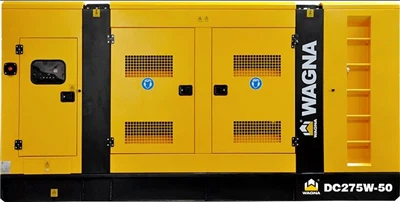
Using a gas generator in a wet environment can be a bit tricky, but with the right precautions, it can be done safely and effectively. As a gas generator supplier, I've seen firsthand the importance of taking the necessary steps to protect both your generator and yourself when working in damp conditions. In this blog post, I'll share some key precautions you should take when using a gas generator in a wet environment.
Location, Location, Location
The first and most crucial step is choosing the right location for your gas generator. You should never operate a generator indoors, especially in a wet environment, as it can produce carbon monoxide, a colorless and odorless gas that can be deadly. Instead, place your generator outside in a well-ventilated area.
When it comes to wet conditions, make sure the generator is on a dry, level surface. Avoid placing it in puddles or areas prone to flooding. If possible, use a raised platform or a generator shelter to keep it off the ground and protected from rain and splashes. For instance, if you're using a Green Power Natural Gas Generator, ensure it has proper elevation and protection from the elements.
Waterproofing and Protection
Invest in a good-quality generator cover that is waterproof and designed to fit your specific model. A cover will help protect the generator from rain, snow, and moisture in the air. Make sure the cover is securely fastened so it doesn't blow off in windy conditions.
Check the generator's housing for any signs of damage or cracks that could allow water to seep in. If you notice any issues, have them repaired before using the generator in a wet environment. Also, pay attention to the electrical components. Many modern generators have some level of water resistance, but you can add an extra layer of protection by using waterproof electrical tape on exposed connections.
Electrical Safety
Water and electricity are a dangerous combination. Before using your gas generator in a wet environment, always check the electrical cords for any signs of wear or damage. Replace any frayed or damaged cords immediately.
Use ground fault circuit interrupters (GFCIs) on all electrical connections. GFCIs are designed to detect imbalances in electrical current and shut off the power if there's a risk of electrical shock. This is especially important in wet conditions where the risk of electrical accidents is higher.
When plugging in appliances or devices, make sure your hands are dry. Avoid touching the electrical connections with wet hands or while standing in water. And always follow the manufacturer's instructions for proper use and maintenance of the generator's electrical system. For example, if you're using a Favorable Review Small Power 3KW Gasoline Petrol Generator, adhere to the specific electrical safety guidelines provided.
Fuel Safety
Fuel is another important aspect to consider when using a gas generator in a wet environment. Keep the fuel tank tightly sealed to prevent water from getting in. Water in the fuel can cause the generator to malfunction and may even damage the engine.
Store fuel in a safe, dry place away from the generator. If you need to refuel the generator, do it in a well-ventilated area, and make sure the generator is turned off and has cooled down. Spilled fuel can be a fire hazard, especially in wet conditions where it can spread more easily.
Regular Maintenance
Regular maintenance is key to ensuring the safe and efficient operation of your gas generator, especially in wet environments. Check the oil level regularly and change it as recommended by the manufacturer. Water can contaminate the oil, which can lead to engine damage.


Inspect the air filter and clean or replace it as needed. A dirty or wet air filter can reduce the generator's performance and increase fuel consumption. Also, check the spark plugs and ignition system for any signs of moisture or damage.
If you're using a 6KW Petrol Gasoline Generator with CSA Certification, follow the maintenance schedule provided in the user manual to keep it in top condition, even when used in damp conditions.
Monitoring
While the generator is running, keep an eye on it. Listen for any unusual noises or vibrations, which could indicate a problem. Check the temperature of the generator to make sure it's not overheating. If you notice any issues, shut off the generator immediately and have it inspected by a professional.
Also, monitor the weather conditions. If there's a heavy rainstorm or a flood warning, it may be best to shut down the generator and move it to a safer location.
Training and Awareness
Make sure anyone who will be operating the generator is properly trained. They should understand how to start, stop, and maintain the generator safely, especially in wet conditions. Provide them with a copy of the user manual and go over the safety instructions.
Raise awareness about the risks associated with using a gas generator in a wet environment. This includes the dangers of carbon monoxide poisoning, electrical shock, and fire. By educating yourself and others, you can minimize the risks and ensure a safe operating environment.
Special Considerations for Specific Applications
If you're using the gas generator for specific purposes like farming or irrigation, there are additional precautions. For a Farming Agriculture Irrigation Gasoline Engine Fire High Pressure Centrifugal Water Pump, ensure that all connections between the generator and the pump are watertight and secure.
The pump may be in direct contact with water, so it's important to use proper grounding and insulation. Check the pump regularly for any signs of water damage or leaks. And make sure the generator has enough power to handle the pump's load, especially in wet conditions where the pump may need to work harder.
Biogas Generators
Biogas generators, like the 138KVA Biogas Generator, also have specific requirements in wet environments. Biogas systems often involve handling organic materials and gases, so it's crucial to prevent water from entering the biogas production area.
Keep the biogas storage tanks and pipes dry and protected. Check for any signs of corrosion or damage to the tanks, especially in areas where water may accumulate. And ensure that the generator's intake system is properly filtered to prevent water and debris from entering the engine.
Contact for Purchase and Consultation
If you're in the market for a gas generator or need more information on using them safely in wet environments, don't hesitate to reach out. We're here to help you find the right generator for your needs and provide you with all the support and advice you need. Whether you're looking for a natural gas generator, a gasoline petrol generator, or a biogas generator, we've got you covered. Contact us for a consultation and let's discuss how we can meet your power requirements.
References
- Manufacturer's user manuals for various gas generator models
- Electrical safety guidelines from relevant industry standards
- Carbon monoxide safety resources from government and safety organizations.