


Hey there! I'm a supplier in the China Biogas industry, and let me tell you, it's been quite a ride. Biogas development in China has huge potential, but it also faces some serious policy implementation challenges. In this blog, I'll share my insights based on my experiences in the field.
1. Regulatory Uncertainty
One of the biggest headaches for us biogas suppliers is the regulatory uncertainty. The policies around biogas development in China are constantly evolving, which makes it hard to plan ahead. For instance, the subsidies for biogas projects can change from year to year. Sometimes, we invest a lot of money in a project, expecting a certain level of subsidy, only to find out that the rules have changed.
This uncertainty also affects our customers. They're hesitant to invest in biogas systems because they're not sure if the government will continue to support them in the long run. It's like trying to build a house on shifting sand. Without clear and stable policies, it's difficult for the biogas industry to grow.
2. Technical Standards and Certification
Another challenge is the lack of unified technical standards and certification processes. There are so many different types of biogas equipment out there, and it's hard to tell which ones are up to par. As a supplier, I've seen a lot of low - quality products flooding the market. These products not only don't work well, but they also give the biogas industry a bad name.
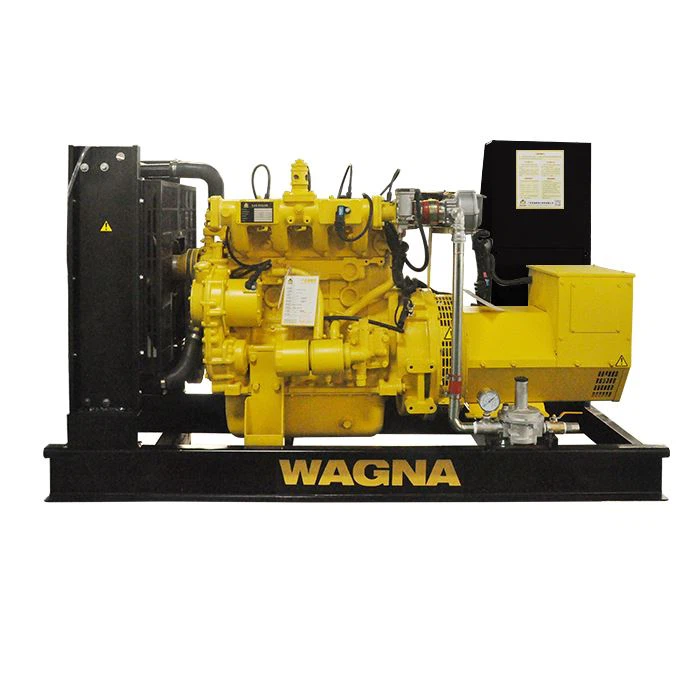
The government has been trying to set up technical standards, but the implementation is slow. There are different standards in different regions, which makes it even more confusing. For example, when we want to sell our 34KVA Biogas Generator in different parts of the country, we have to deal with different requirements. This not only increases our costs but also limits the market for biogas products.
3. Land Use and Permitting
Land use is a major issue for biogas development. Biogas projects usually need a certain amount of land for the construction of biogas digesters and other facilities. However, getting the land use permit can be a real hassle. There are so many procedures and approvals involved, and it can take a long time.
In some cases, the land use regulations are not clear. We might think we have the right to use a piece of land for a biogas project, but then we find out that there are other restrictions. This can lead to delays and additional costs. For example, if we have to change the location of a project because of land use issues, we'll have to spend more money on infrastructure and equipment relocation.
4. Grid Connection and Power Purchase
Connecting biogas - generated power to the grid is another challenge. The grid companies often have strict requirements for grid connection. They need to ensure the stability and safety of the grid, which is understandable. But the process can be very complicated and time - consuming.
Moreover, the power purchase agreement is not always favorable for biogas suppliers. The price at which the grid companies buy biogas - generated power is sometimes lower than the cost of production. This makes it difficult for us to make a profit. For example, our 135KVA Biogas Generator can produce a significant amount of power, but if the power purchase price is too low, it's not worth operating the generator.
5. Public Awareness and Acceptance
Last but not least, public awareness and acceptance of biogas are relatively low. Many people don't really understand what biogas is and how it can benefit them. There are also some misconceptions about biogas, such as the idea that it's smelly and dangerous.
As a supplier, we have to spend a lot of time and effort educating the public about biogas. We organize seminars and demonstrations to show people the advantages of biogas, such as its environmental friendliness and energy efficiency. But it's a slow process, and we need more support from the government in terms of public education campaigns.
Overcoming the Challenges
Despite these challenges, I'm still optimistic about the future of biogas development in China. The government has recognized the importance of biogas in the energy mix and is taking steps to address these issues. For example, they're working on making the subsidy policies more stable and predictable.
We suppliers also need to work together to improve the quality of our products and services. By adhering to high - quality standards, we can build a better reputation for the biogas industry. And we should keep an eye on the latest technological developments to make our biogas systems more efficient and cost - effective.
Contact for Purchase and Collaboration
If you're interested in biogas products, especially our 34KVA Biogas Generator, 135KVA Biogas Generator, or 169KVA Biogas Generator, don't hesitate to reach out. We're always ready to have a discussion about your needs and how we can help you with your biogas projects. Let's work together to overcome the policy challenges and make biogas a more popular and sustainable energy source in China.

References
- Ministry of Energy, People's Republic of China. (202X). Annual Report on Energy Development in China.
- National Development and Reform Commission. (202X). Policies and Measures for Renewable Energy Development.
- Local government regulations on biogas project approval and subsidy.


