


As a supplier of 409 - 900 KW power systems, I am often asked about the power - sharing capabilities of these systems. Power sharing is a crucial aspect in various applications, especially in industrial, commercial, and even some residential settings where reliable and stable power supply is essential.
Understanding Power Sharing in a 409 - 900 KW Power System
Power sharing refers to the ability of multiple power sources within a system to distribute electrical load in a coordinated manner. In a 409 - 900 KW power system, this can involve multiple generators or power units working together to meet the overall power demand.
One of the primary reasons for power sharing is to ensure redundancy and reliability. If one power source fails, the remaining sources can pick up the load, minimizing downtime. For example, in a large industrial facility, a sudden power outage can lead to significant losses in production. By having a power - sharing system in place, the facility can continue to operate without major disruptions.
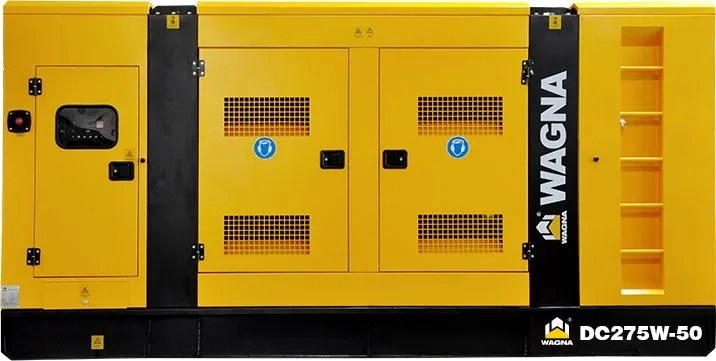

Another advantage of power sharing is the ability to optimize energy consumption. Different power sources may have different efficiency levels at various load levels. By sharing the load among multiple sources, we can operate each source at its most efficient point, reducing fuel consumption and overall operating costs.
Technical Aspects of Power Sharing in 409 - 900 KW Systems
To achieve effective power sharing in a 409 - 900 KW power system, several technical factors need to be considered.
Frequency and Voltage Regulation
Frequency and voltage are two critical parameters in an electrical system. In a power - sharing setup, all power sources must operate at the same frequency and voltage to ensure seamless integration. Modern power systems use advanced control algorithms to regulate frequency and voltage. For example, automatic voltage regulators (AVRs) are used to maintain a stable output voltage, while governors control the engine speed to keep the frequency within the acceptable range.
Load Sharing Algorithms
Load sharing algorithms are used to determine how the total load is distributed among the power sources. There are different types of load sharing algorithms, such as droop control and isochronous control.
Droop control is a simple and widely used method. In droop control, the frequency of a generator decreases slightly as the load increases. By adjusting the droop characteristics of each generator, we can ensure that the load is shared proportionally among them. For example, if Generator A has a droop setting of 3% and Generator B has a droop setting of 4%, Generator A will take a larger share of the load when the total load increases.
Isochronous control, on the other hand, maintains a constant frequency regardless of the load. This is typically used in applications where a very stable frequency is required, such as in some critical industrial processes or data centers.
Communication and Control Systems
Effective communication between power sources is essential for power sharing. In a 409 - 900 KW power system, communication protocols such as Modbus, CAN bus, or Ethernet are used to exchange information between generators and control units. This allows for real - time monitoring and adjustment of the power sharing process.
Applications of 409 - 900 KW Power Sharing Systems
Industrial Applications
In the industrial sector, 409 - 900 KW power sharing systems are widely used in manufacturing plants, mines, and oil refineries. These facilities often have high - power requirements and need a reliable power supply. For example, a large manufacturing plant may use multiple generators in a power - sharing configuration to ensure continuous operation during peak demand periods or in case of a grid failure.
Commercial Applications
Commercial buildings such as shopping malls, hotels, and hospitals also benefit from 409 - 900 KW power sharing systems. These buildings require a stable power supply to operate various equipment, including HVAC systems, lighting, and elevators. A power - sharing system can provide backup power in case of a grid outage, ensuring the safety and comfort of the occupants.
Remote and Off - Grid Applications
In remote areas where access to the grid is limited or unreliable, 409 - 900 KW power sharing systems can be used to provide a self - sufficient power supply. For example, a remote mining camp or a telecommunications tower in a rural area may rely on a power - sharing system consisting of diesel generators and renewable energy sources such as solar panels or wind turbines.
Our Product Offerings
As a supplier of 409 - 900 KW power systems, we offer a range of products that are designed to meet the diverse needs of our customers.
One of our popular products is the 800KVA Diesel Generator. This generator is suitable for industrial and commercial applications and has a high - output capacity. It is designed to operate in harsh environments and can provide reliable power for extended periods.
We also offer the 120% Overload Diesel Genset. This genset is capable of handling short - term overloads, making it ideal for applications where sudden increases in power demand are common.
Another product in our portfolio is the 560KVA Diesel Silent Genset. This genset is designed to operate quietly, making it suitable for noise - sensitive applications such as hospitals and residential areas.
Conclusion
The power - sharing capabilities of a 409 - 900 KW power system are crucial for ensuring reliable, efficient, and cost - effective power supply. By understanding the technical aspects of power sharing, such as frequency and voltage regulation, load sharing algorithms, and communication systems, we can design and implement power systems that meet the specific needs of our customers.
If you are interested in our 409 - 900 KW power systems or have any questions about power sharing, we encourage you to contact us for a detailed discussion. Our team of experts is ready to assist you in finding the best solution for your power requirements.
References
- Kundur, P. (1994). Power System Stability and Control. McGraw - Hill.
- El - Sayed, S. M., & El - Moursi, M. S. (2013). Power Electronics in Renewable Energy Systems. Springer.
- Chapman, S. J. (2012). Electric Machinery Fundamentals. McGraw - Hill.


