


As a biogas supplier, I understand the critical importance of safety when using biogas. Biogas is a renewable energy source that offers numerous benefits, including reducing greenhouse gas emissions and providing a sustainable alternative to traditional fossil fuels. However, like any energy source, it comes with its own set of risks. In this blog post, I will discuss the safety precautions that should be taken when using biogas to ensure a secure and efficient operation.
Understanding Biogas
Biogas is a mixture of gases produced by the breakdown of organic matter in the absence of oxygen. It is primarily composed of methane (CH4) and carbon dioxide (CO2), with small amounts of other gases such as hydrogen sulfide (H2S), water vapor, and trace amounts of other hydrocarbons. Methane is a highly flammable gas, and when mixed with air in the right proportions, it can form an explosive mixture. Therefore, it is essential to handle biogas with care to prevent accidents.

Site Selection and Installation
- Location: The biogas plant should be located in a well-ventilated area away from sources of ignition, such as open flames, electrical equipment, and heat sources. It should also be situated at a safe distance from buildings, roads, and other structures to minimize the risk of damage in case of an explosion or fire.
- Foundation and Structure: The biogas plant should be built on a solid foundation to ensure stability. The structure should be designed to withstand the pressure and weight of the biogas storage tank and other components. It is also important to ensure that the plant is properly grounded to prevent static electricity buildup.
- Ventilation: Adequate ventilation is crucial to prevent the accumulation of biogas in the air. The biogas plant should be equipped with ventilation systems that can remove any leaked biogas and maintain a safe level of oxygen in the air. The ventilation system should be designed to operate continuously and should be regularly inspected and maintained.
Equipment Installation and Maintenance
- Gas Piping: The gas piping used in the biogas plant should be made of high-quality materials that are resistant to corrosion and leakage. The pipes should be properly installed and supported to prevent damage and ensure a tight seal. It is also important to use appropriate fittings and valves to control the flow of biogas and prevent leaks.
- Gas Storage Tank: The biogas storage tank should be designed and constructed to withstand the pressure and temperature of the biogas. It should be equipped with safety valves and pressure gauges to monitor the pressure inside the tank and prevent overpressure. The tank should also be regularly inspected and maintained to ensure its integrity.
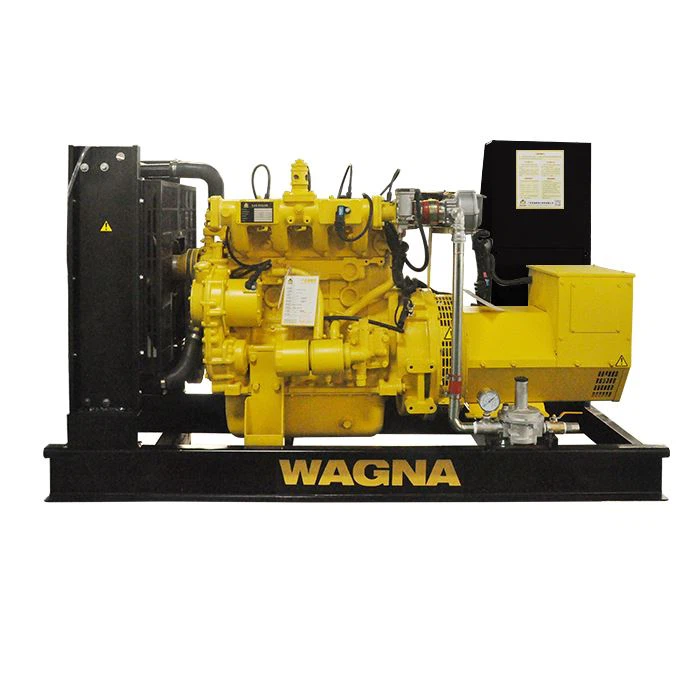
- Biogas Generator: When using a biogas generator, it is important to choose a reliable and efficient model that is suitable for the specific application. The generator should be installed and operated according to the manufacturer's instructions. It is also important to regularly maintain the generator to ensure its proper functioning and prevent breakdowns. You can find high-quality biogas generators such as the 34KVA Biogas Generator, 113KVA Biogas Generator, and 202KVA Biogas Generator on our website.
Operational Safety
- Training: All personnel involved in the operation and maintenance of the biogas plant should receive proper training on safety procedures and emergency response. They should be familiar with the potential hazards associated with biogas and know how to prevent and respond to accidents.
- Monitoring: Regular monitoring of the biogas plant is essential to detect any potential problems early and take appropriate action. This includes monitoring the gas pressure, temperature, and composition, as well as the performance of the equipment. Any abnormal readings should be investigated immediately and corrective actions should be taken.
- Emergency Response: A comprehensive emergency response plan should be developed and implemented to address potential accidents such as fires, explosions, and gas leaks. The plan should include procedures for evacuating the area, shutting off the gas supply, and notifying the appropriate authorities. All personnel should be trained on the emergency response plan and should know their roles and responsibilities in case of an emergency.
Personal Protective Equipment (PPE)
- Respiratory Protection: When working with biogas, it is important to wear appropriate respiratory protection to prevent inhalation of harmful gases. This may include respirators or masks that are designed to filter out methane, carbon dioxide, and other gases.
- Eye and Face Protection: Eye and face protection should be worn to prevent eye injuries from flying debris or chemical splashes. This may include safety glasses or goggles.
- Protective Clothing: Protective clothing should be worn to prevent skin contact with biogas and other chemicals. This may include coveralls, gloves, and boots.
Handling and Storage of Biogas
- Gas Handling: Biogas should be handled with care to prevent leaks and spills. When transferring biogas from one container to another, it is important to use appropriate equipment and follow proper procedures. The gas should be stored in approved containers that are designed to withstand the pressure and temperature of the biogas.
- Gas Storage: Biogas should be stored in a safe and secure location away from sources of ignition. The storage containers should be regularly inspected and maintained to ensure their integrity. It is also important to follow the manufacturer's instructions for storing and handling biogas.
Conclusion
In conclusion, using biogas can be a safe and efficient way to generate renewable energy. However, it is important to take the necessary safety precautions to prevent accidents and ensure a secure operation. By following the guidelines outlined in this blog post, you can minimize the risks associated with biogas and enjoy the benefits of this sustainable energy source.
If you are interested in purchasing biogas equipment or have any questions about biogas safety, please feel free to contact us. We are a leading biogas supplier and can provide you with high-quality products and professional advice.
References
- Biogas Safety Guidelines, International Renewable Energy Agency (IRENA)
- Safety in Biogas Plants, European Biogas Association (EBA)
- Biogas Handbook, United Nations Industrial Development Organization (UNIDO)


